In the early morning, the national anthem rang out in a child welfare institution.
A toddler clutching a toy car froze at the first note of the anthem. He looked up at his Chunhui mama, then put down the toy car and stood straight like the mama. He was unsteady on his feet, legs wobbling and hands pressed against his sides, but his eyes were bright and earnest.
When the anthem ended, he came over to his Chunhui mama. She crouched down and gave him a thumbs-up. He grinned, showing a few baby teeth.
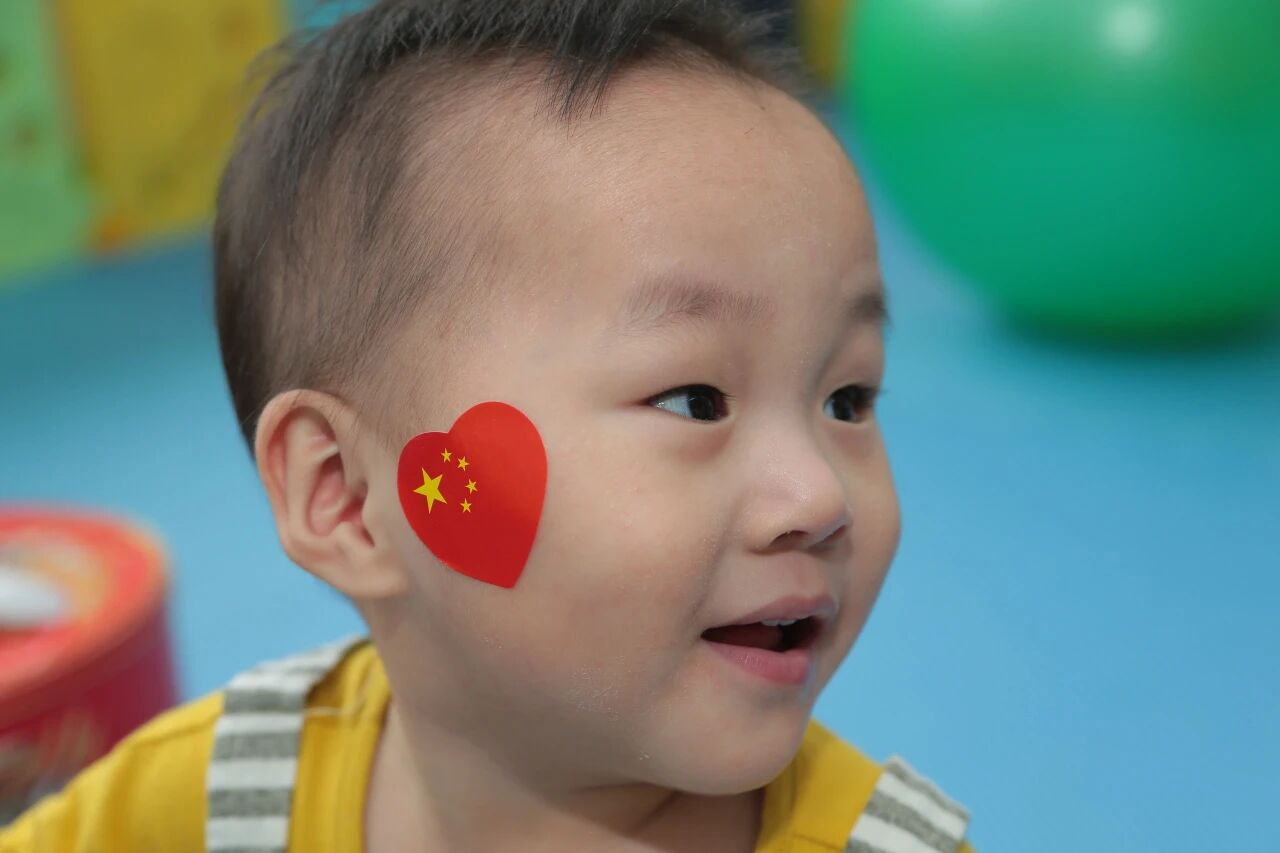
No one had ever taught this little boy what "motherland" meant. Yet at that moment, something vague but warm sprouted in his little heart.
What he learned first was no slogan. Instead, he developed the belief that "When the anthem plays, I will stand with the one who loves me."
Chunhui Children’s Foundation (Chunhui Children) has supported a multitude of children who grew up without parental love. Today, we'd like to talk with you about a topic many parents care about but don't know where to start — how should we educate children about patriotism.
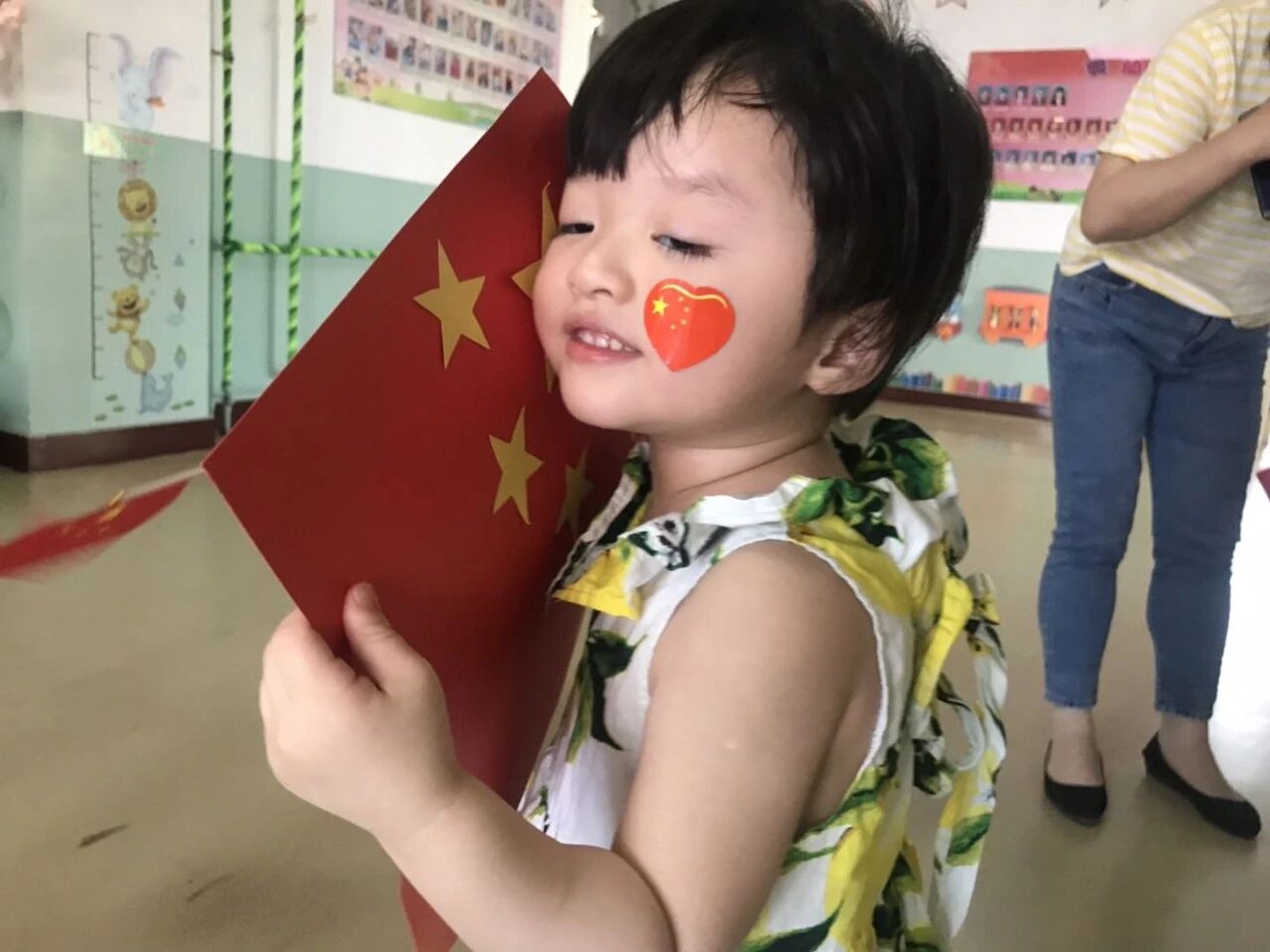
Patriotic education isn't about grand, empty lectures; it's about nurturing love in a child's heart first.
Here's a truth children teach us:
They don’t need to understand grand lectures before learning to love.
They know they are loved in a trusting relationship first—then they let that love spread, little by little, to those around them, to their community, and to the wider world.
In Chunhui Children’s partner child welfare institutions, most children suffer from special needs and are deprived of parental love. Day in and day out, Chunhui mamas feed them, hug them, tell them stories and let them know for the first time that there is always someone who loves them.
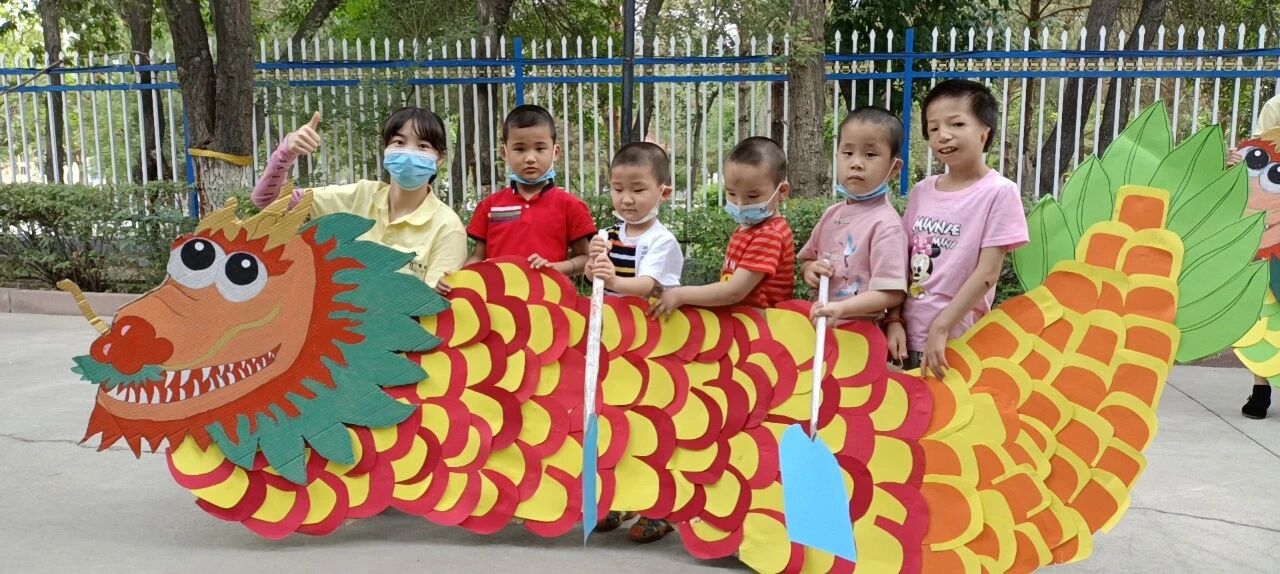
There was a child who wouldn't let anyone hold him during his first days in the institution—he cried the moment anyone approached. His Chunhui mama sat beside him every day, gently speaking to him, feeding him, and patting his back softly before he fell asleep. Days later, the child reached out his hand for the first time—and grasped the hem of his Chunhui mama’s top.
Chunhui Children calls this way of childcare "responsive care"—observing a child's needs, interpreting these needs, and responding to them in a timely, appropriate, and consistent manner. It embraces the "life-long management of the whole child" philosophy, and provides steady, consistent support for the children at every stage of their life.
When the boy reached out his hand, what he grasped was not a piece of clothing. It was the belief that "I have someone by my side. I belong here."
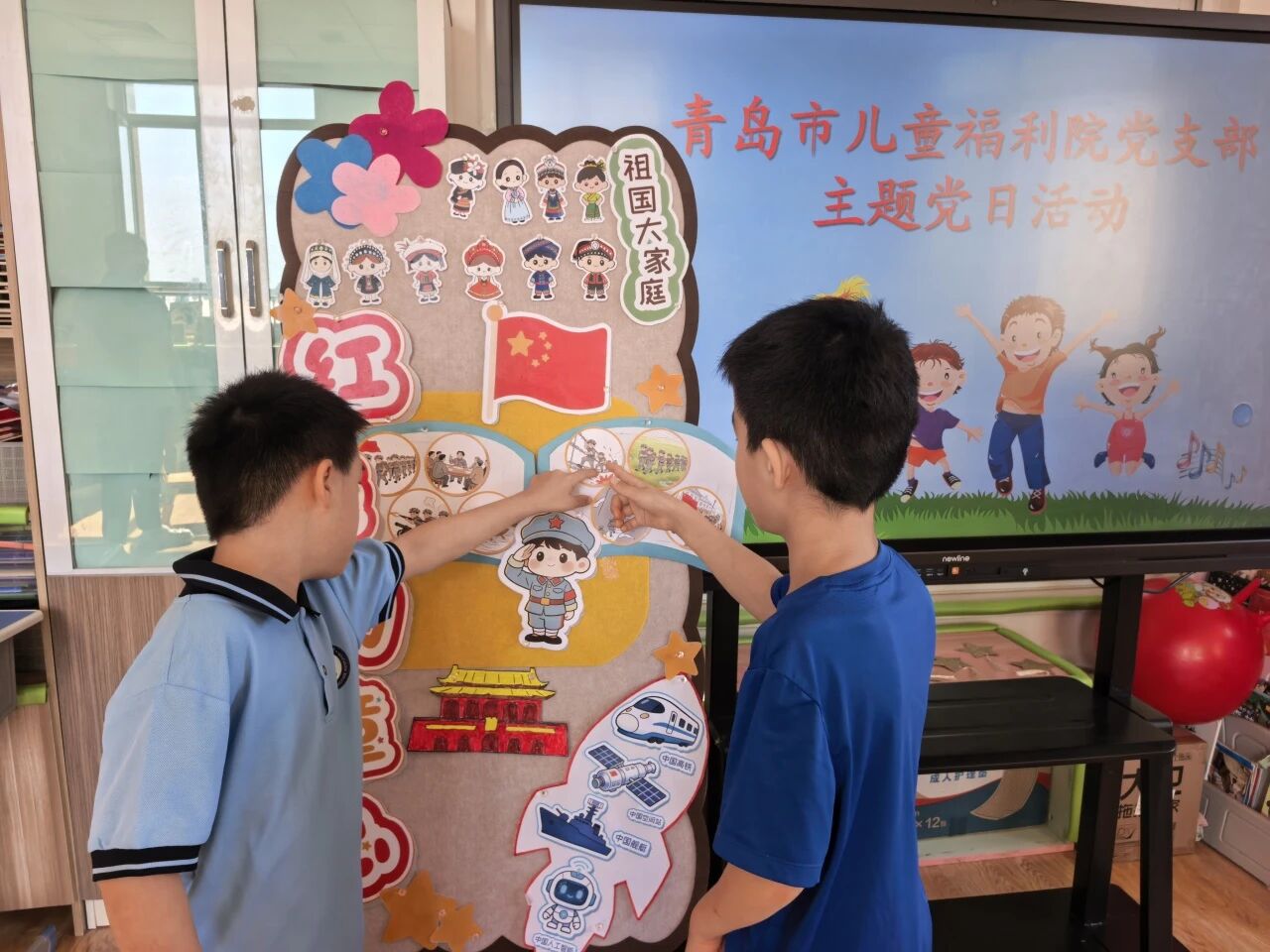
Chunhui Children has always believed that each child should always have an adult in his/her life. In a child welfare institution, this adult is a Chunhui mama; in most Chunhui Children’s loving families, it is the foster mama.
The seed of patriotism is sown right here.
Only a child who has been truly loved has the capacity to trust others, to fit into a group, and to love that group. National identity gives the children a sense of belonging.
So in a child welfare institution, here is what you will see: on the National Day, the Chunhui mamas hang little national flags together with the children; at the flag-raising ceremony, the mamas stand straight first, and the children follow suit; when a child asks "why is everyone so quiet?" his Chunhui mama crouches down and answers him seriously, one word at a time.
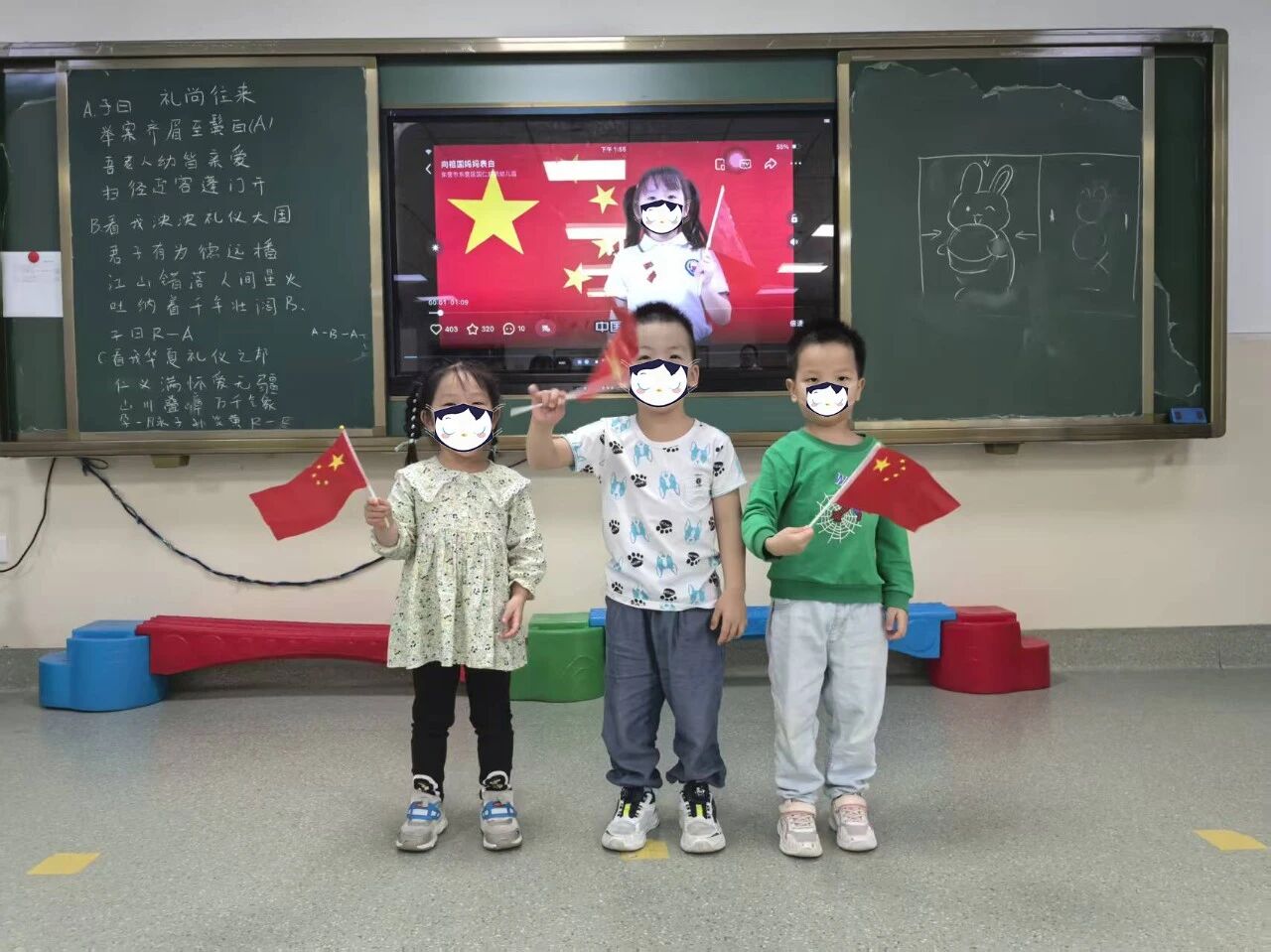
"The flag stands for our country, our shared home. when we fall silent, that's our way of saluting it."
We answer every child's question earnestly, because that tells them: your curiosity matters, and you belong here.
That's our way: incorporating love of our country into our daily life.
Why is patriotism education very important for children?
Many parents ask: "The children are so young—will they even understand patriotism?"
Patriotism isn't simply about memorizing big words. It aims to plant three concepts (as follows) deep in a child's heart.
Childhood is the root-taking period of values.
Whether a child has been loved, and whether he/she has formed loving bonds with their home, community, and hometown quietly shapes the way he/she views himself/herself, others, and his/her country.
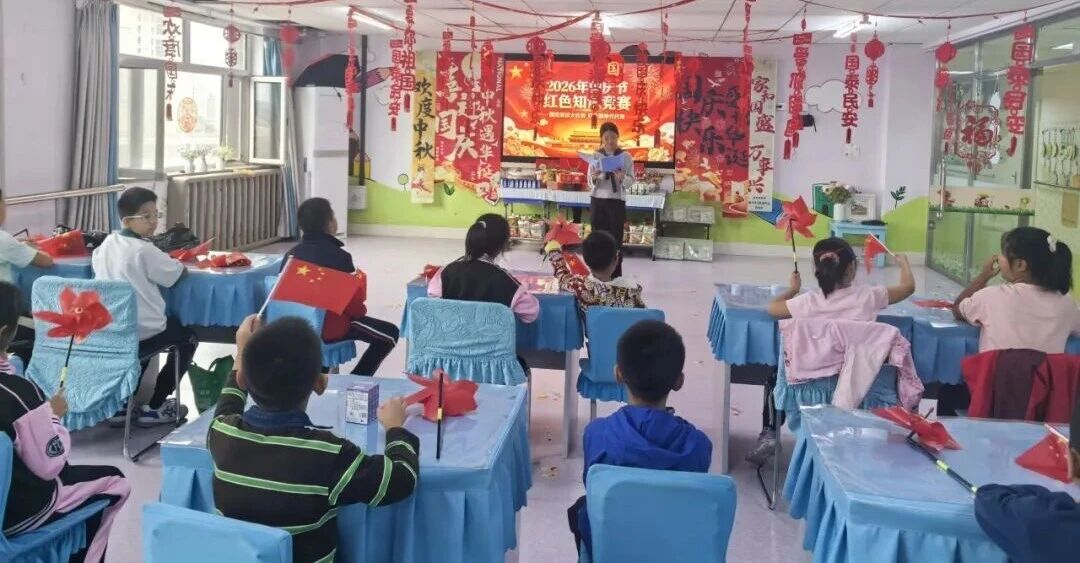
First concept: roots。
Let the child know that he/she is not alone. He/she has a home, a class, a hometown and a country.
Second concept: love and belonging
Let the child know that he/she is loved and need learn to love too, and that he/she belongs to this country and could do something for it.
Third concept: power
A child who is clear about who he/she is and where he/she belongs is more capable of taking up the challenges that come along in their life. The three concepts, roots, love and belonging, and power are the keys to patriotism education.
A lot of parents are not aware that one of the goals set in the Ministry of Education's Guidelines for Learning and Development of Children Aged 3–6 is that young children should develop "a preliminary sense of belonging."
Young children don’t understand a word as grand as "nation." But they understand the concepts like "my home," "my kindergarten," and "stay quiet when the flag is raised."
It takes time and love to help the children learn that they belong to a home, a community, a town and a country.
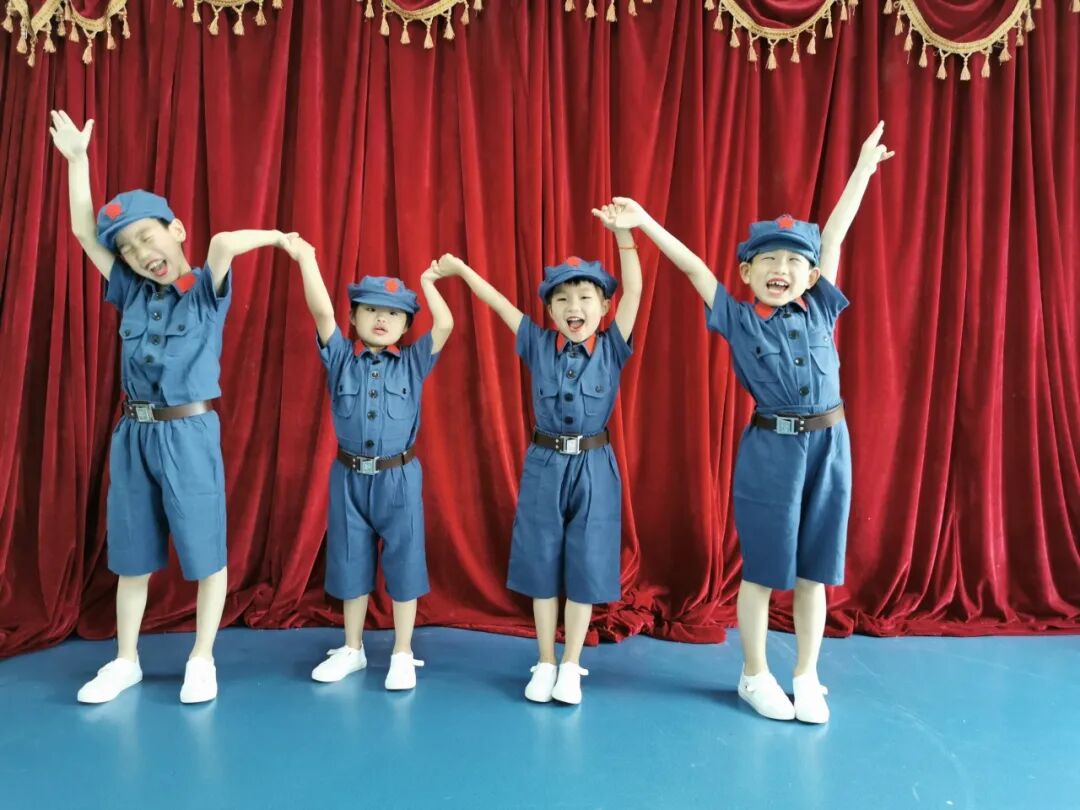
Here are five simple pieces of experience for your family
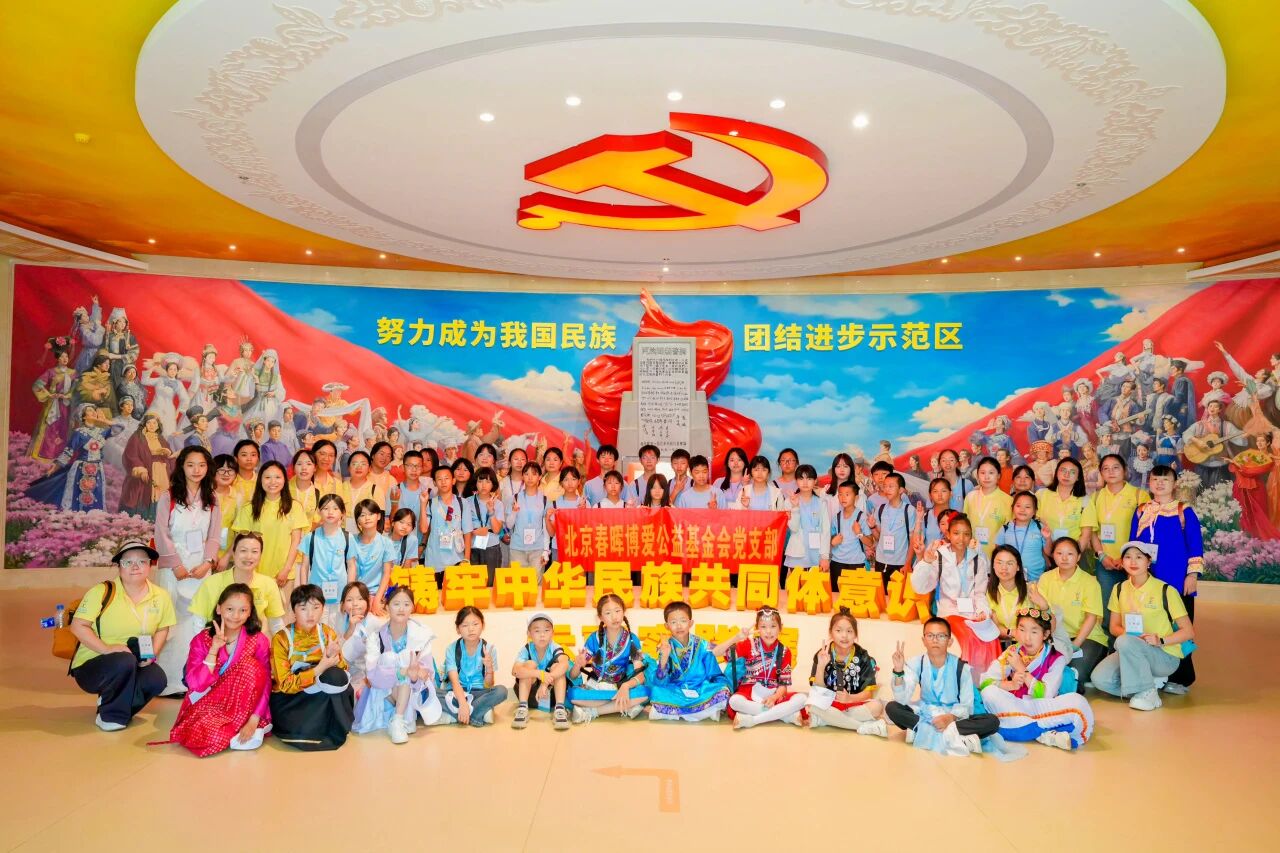
Stick to the following rules at home:
Watch——While the children gaze at the rising flag, stay quiet until they’re done
Listen — when the children ask "why", hear them out before you respond.
Wait — when they imitate you and stand up straight, give them a thumbs-up.
1.First and foremost, lead by example.
During a flag-raising ceremony, you stand straight first; at the dinning table, recite the poem line " every grain on the plate comes from hard work" together; on the National Day, watch the live-stream flag-raising ceremony with your loved ones. The children watch your deeds rather than listen to your words. Your upright stance speaks louder than a hundred words about patriotism.
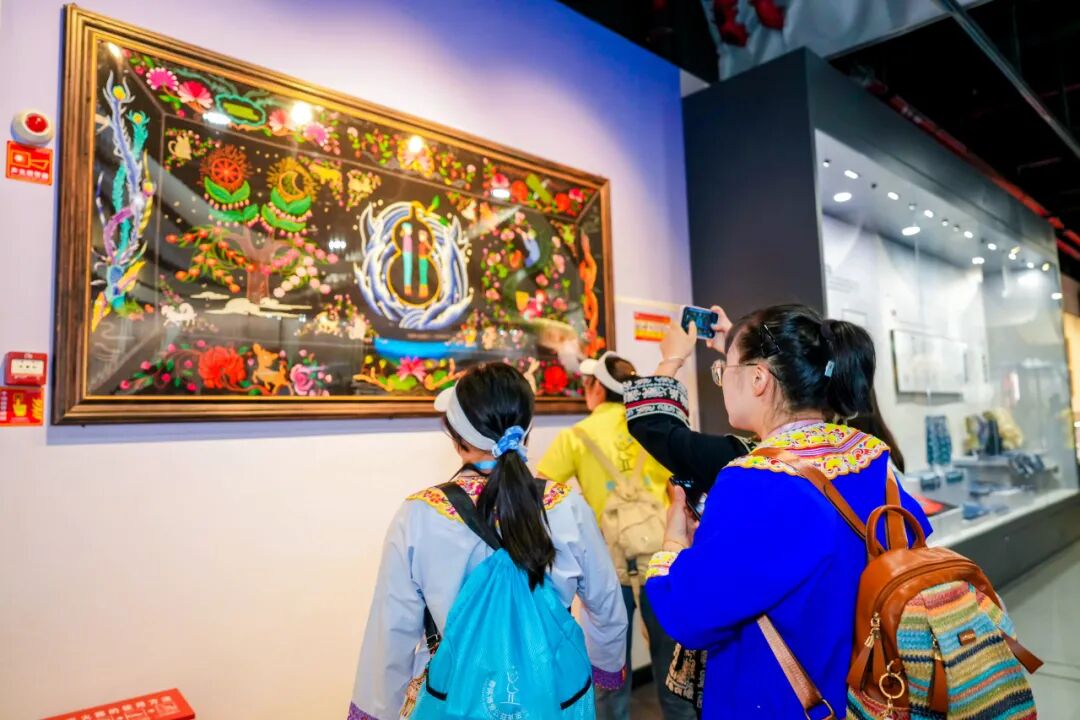
2.Second, answer the children’s every question earnestly.
When your children ask "why do we stand at attention when the flag is rising", don't brush them off. Tell them real stories about real people: the Red Army soldiers who never left a single wounded partner behind during the Long March, the young officials who moved into villages to help locals shake off poverty. If you can't answer the questions right away, just say: "Come on, let's look it up together."
A child who has been treated earnestly will treat the world earnestly in return.
Third, incorporate patriotism into daily life.
Talk about "family and nation" on Mid-Autumn Day; help the children get to know their hometown bridge during trips; explore old streets, parks and museums on weekends.
For preschoolers, experiences matter more than abstract concepts.
When they touch the local bridge, breathe in old street vibes, and hear elders' stories, "home” and “country" will no longer be just textbook terms.
Try a weekly family gathering: everyone shares his/her one small act of kindness that week — fixing the neighbor's light, volunteering for an hour in the community, or sharing toys in the kindergarten. No need for grand lectures. The children learn through these enriching experiences that: patriotism simply means doing something for others every day.
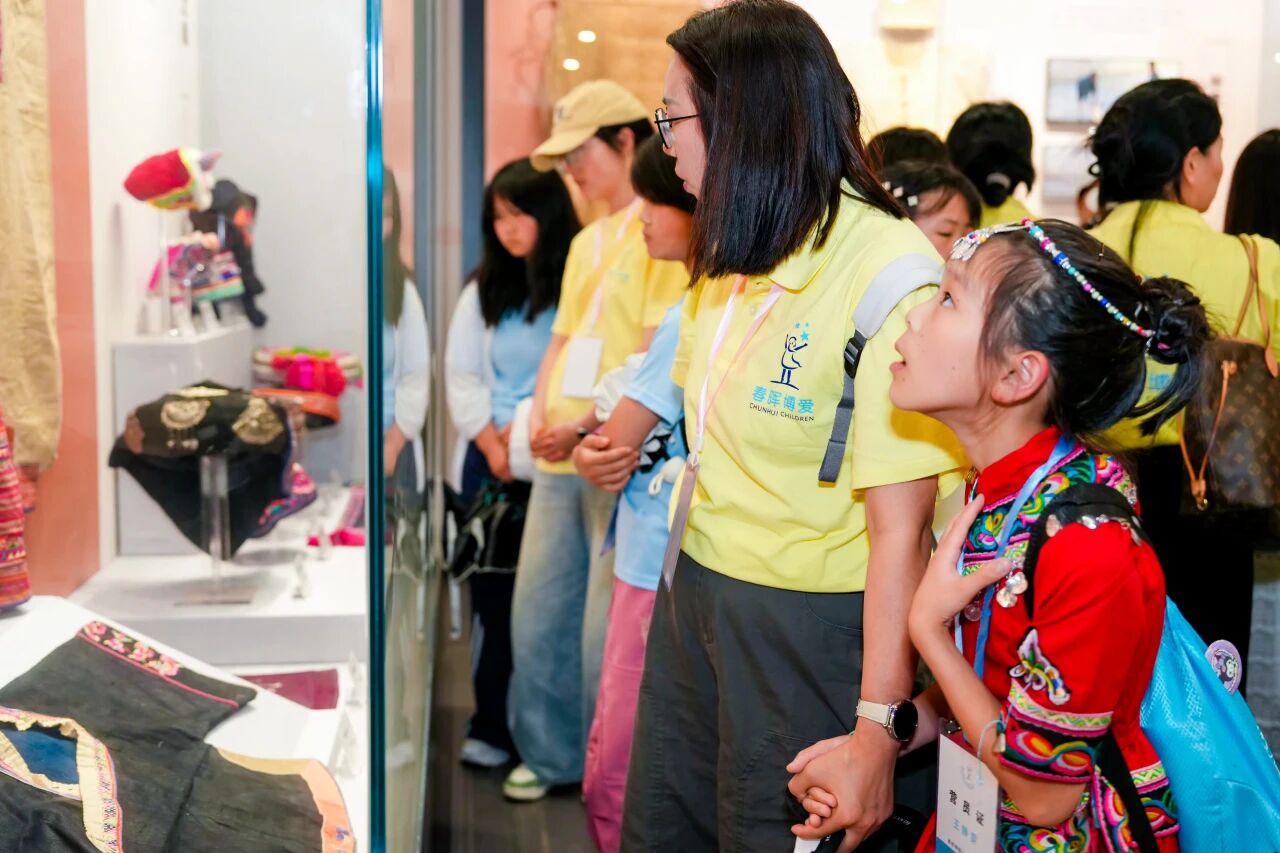
Fourth, offer age-appropriate guidance.
For elementary school children: share stories of the Long March, the anti-Japanese War, the “two Bombs, one Satellite” project and space missions. Take them to red heritage sites and science museums, and introduce local role models — firefighters, doctors, soldiers and scientists. Encourage them to ask questions and even voice their doubts.
For teenagers: talk with them about current events and online information while taking a walk together, and support their volunteer work. Set clear bottom lines, and don't try to win every argument with them.
Fifth, the most important— prioritize genuine feelings over rigid formalities.
Speak in positive ways and avoid unnecessary confrontation. Patriotism and devotion to our home country grow from long-term, consistent love and support.
A Final Note
Chunhui Children's Foundation firmly believes that every child should always have a consistent, caring adult in his/her life. For over 20 years, we have always followed the "life-long management of the whole child” education philosophy.
Chunhui Mama Program has served around 210,000 orphaned children in total; Chunhui Care Home has provided medical care for 5,000 children with severe diseases; Chunhui Village Program has delivered emotional support and family empowerment service to over 200,000 vulnerable children.
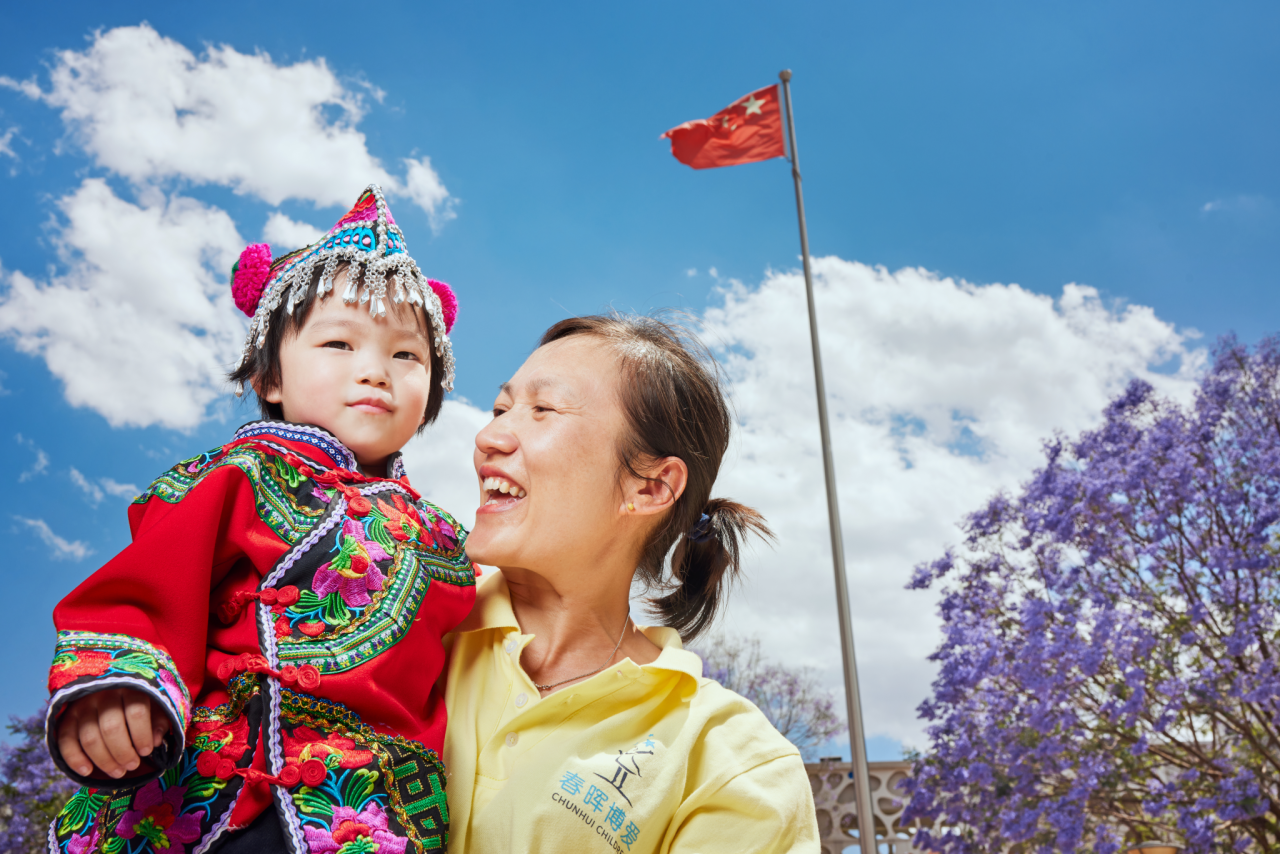 From these hundreds of thousands of children, we learn that values are not "taught" but are developed through consistent love and care.
A child who learns to love need be loved first. They care for people around them before they love the country. Behind each child’s love for his/her home country, there is a caring adult — in welfare institutions, the adult is a Chunhui mama.
For millions of typical families, that adult can be you. Today, ask your kid before bed: "Was there a moment today when you felt 'we are all in this together?" Listen carefully no matter what he/she will say. That is the first step of patriotism education.
If this article touches you, share it with parents struggling with patriotism education, so that more children could develop love for their country and grow into caring citizens.