1. She is not incompetent; but no one teaches her
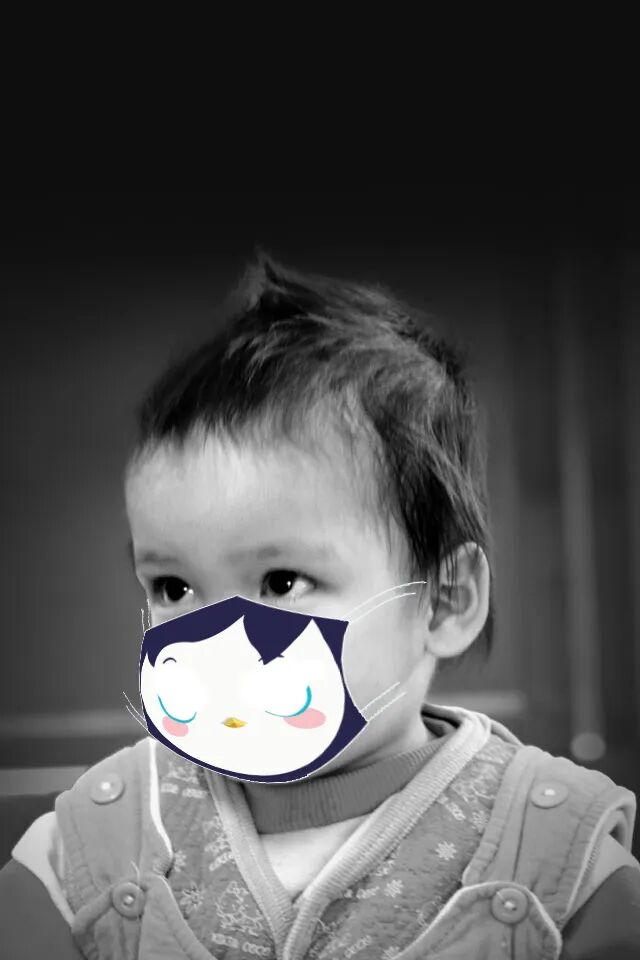
In 2014, when Chen Hong, mentor of Chunhui Mama Program, first met Juan Juan, she was sitting on a small iron bed.
Her head was very big, her body very thin, and her feet cocking up, unable to touch the ground. A four-year-old child, unable to walk or speak. When someone approached, she would cover her head with her hands and peek at you through her fingers, as if afraid of being hit.
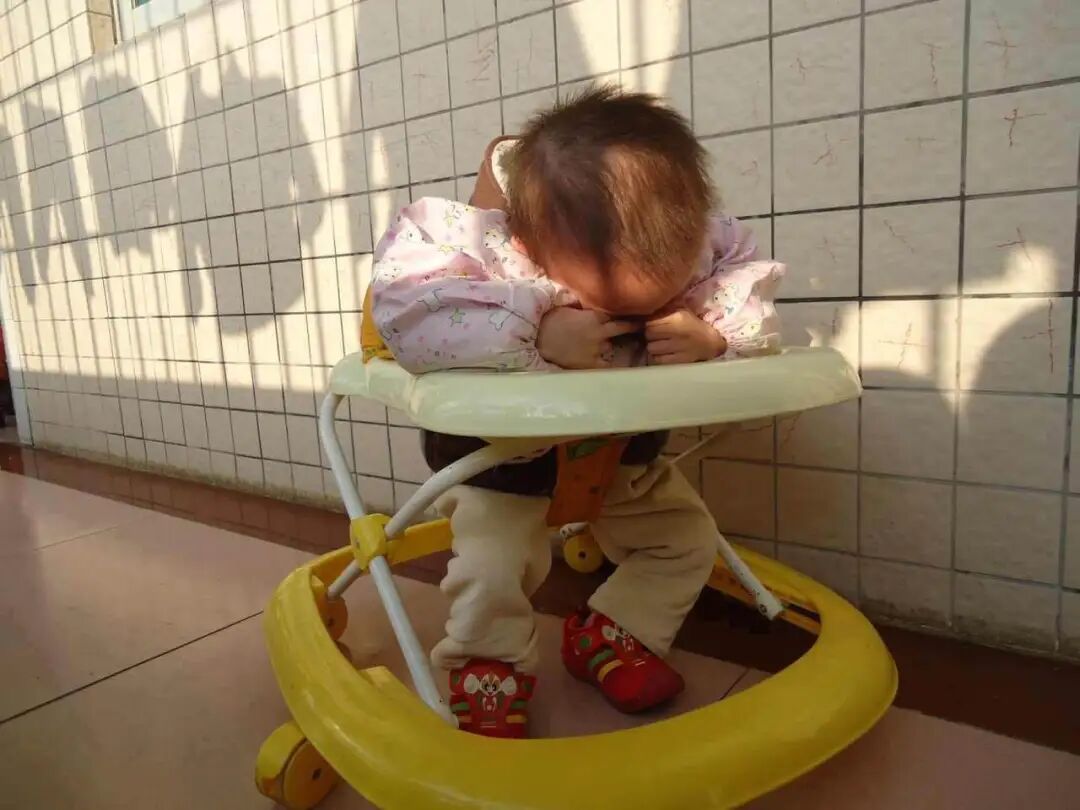
At that time, the welfare institution had no activity rooms. Most of the children stayed on the iron beds, with no one to teach them to speak and no place for them to walk in.
Juan Juan was adopted by a family when she was over 2 years old. She stayed at the adoption center for a week, crying every day and refusing to eat anything. Afraid that she was in danger and might have autism, the family took her back to the institution.
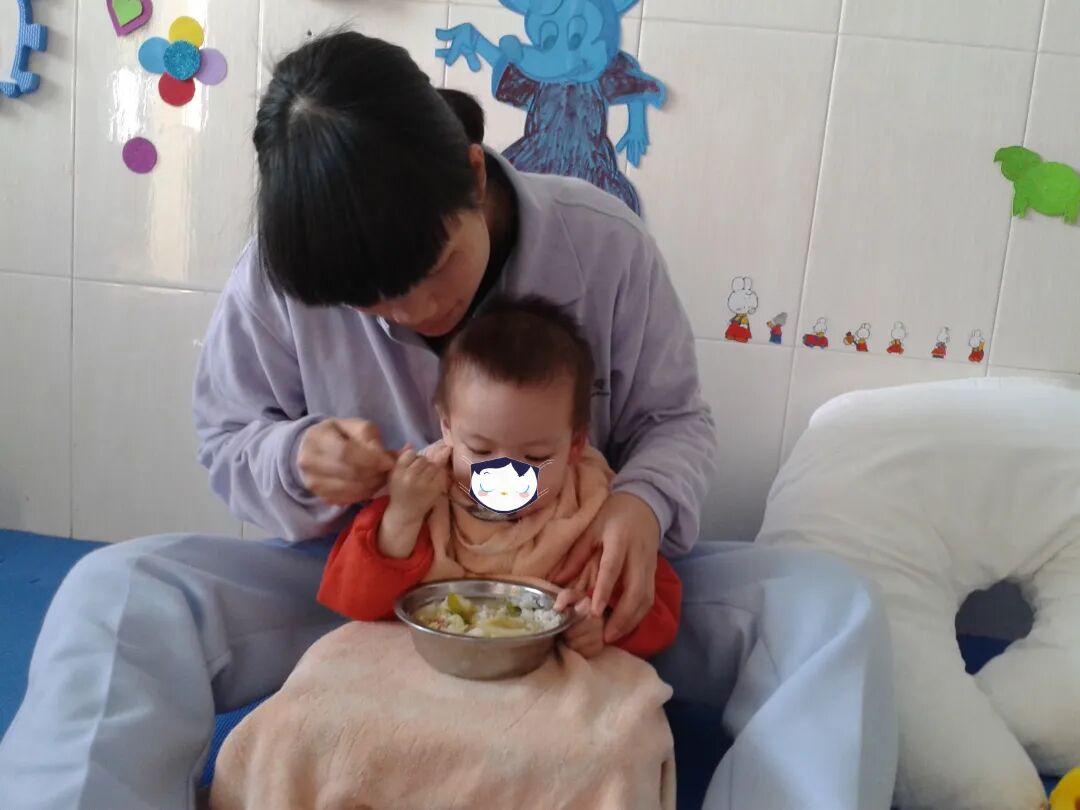
That year, Chunhui Mama Program was set up in the welfare institution. After Juan Juan returned, Chunhui mama Xia Mei began to take care of her. Xia talked to her every day and taught her to call "mama" with a drawing board. A few months later, Juan Juan opened her mouth.
One day, when checking the rooms, Mama Chen Hong saw Juan Juan had defecated. She climbed down from a one-meter-high bed by herself, and tried to take off her diaper.
"She is not dull and insensitive," Chen said, "She has thoughts."
2. The day she held onto the door frame
Juan Juan was slow to walk and speak. But Chen Hong found that as long as you teach her, she will learn.
Chen applied to take Juan Juan out. They spent time on the streets or in the parks, trying to interact with other children.
At first, Juan Juan was afraid to look at people. Over time, she started to smile. And she began to say "mama," "milk," and "grandpa is so handsome,". It took her months to go from two words to four.
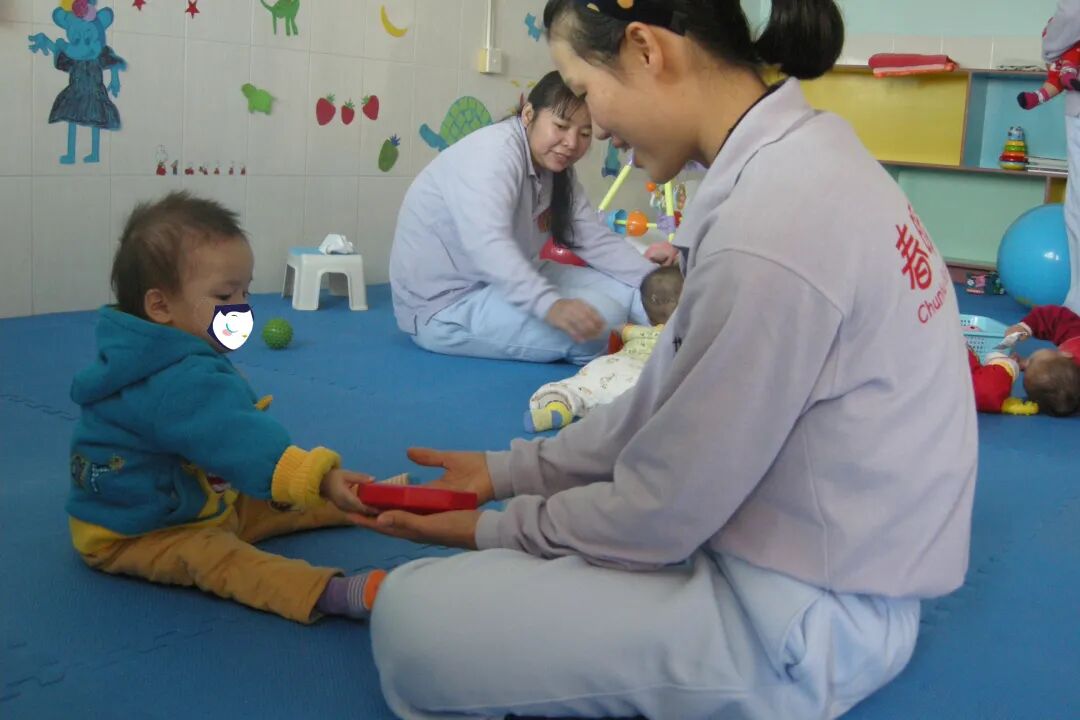
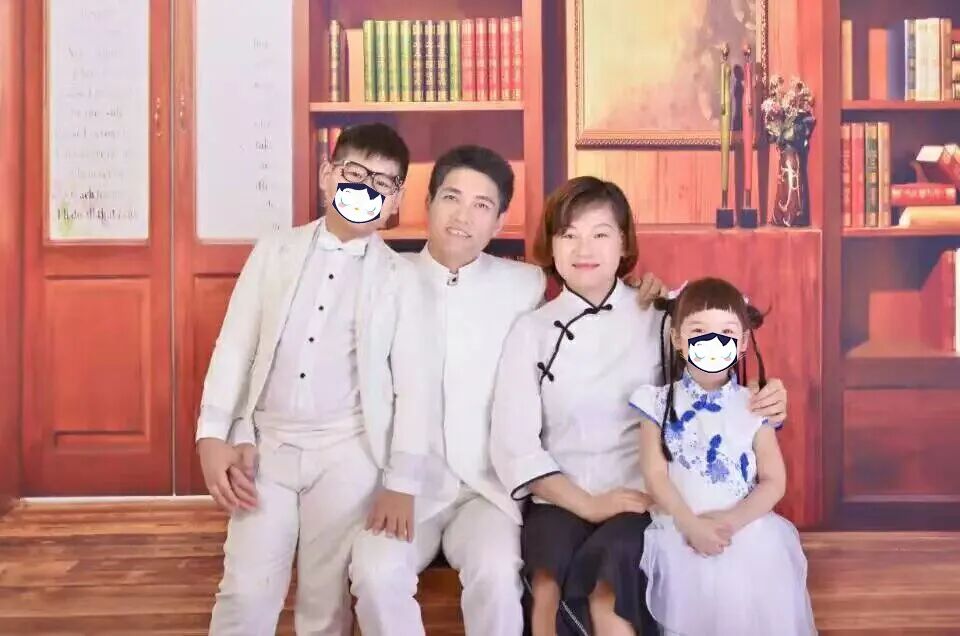
Mama Chen began to consider adopting the girl. She has a son of her own, who is five years older than Juan Juan. The son said, "Other families have two or three children, why do you only have me?"
In July 2014, Chen took Juan Juan to her own home. The girl played with Chen’s son all day, without crying or making any trouble, and both the children were very happy.
In the evening, it was time for Juan Juan to go back to the welfare institution, and someone from the institution came to pick her up.
Juan Juan sulked; the little girl stood at the door of Chen Hong's house, tightly holding onto the door frame, looking at Chen’s son, crying and shouting that she didn't want to go back. Is this a behavior typical of a child with autism? Perhaps the fragile girl was trying to fight for her happiness.
Chen hesitated to adopt the girl. "A child who can barely walk and can only say two or three words, you want to take her?" as those around Chen asked.
But Juan Juan, who was holding onto the door frame and refusing to leave, touched Chen’s husband. They talked and then said, "Perhaps it's fate; let's adopt her so that our son has a companion."
3.What is "yours" and what is "mine"
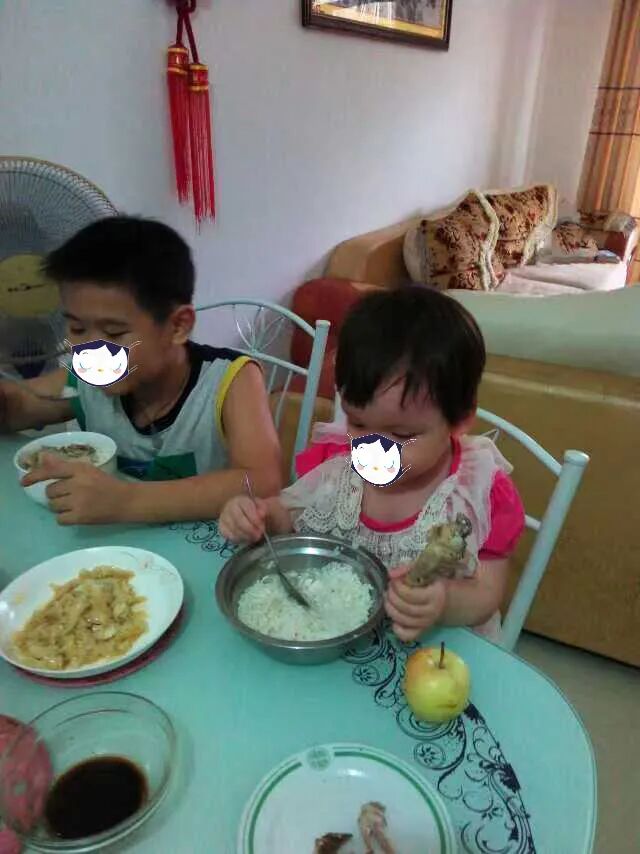
In the first month after Juan Juan was taken to Chen’s family, Juan Juan poured one can of milk after another onto the floor, pressed them down with napkins, dumped all the fish food out and put on top of the napkins for fun.
Chen did not hit her. She knew that Juan Juan grew up in an institution, where everything was shared. She did not understand what was "hers," what was "others'," what could be done, and what could not.
For one year, she repeatedly told Juan Juan: “this is your backpack”, “this is your umbrella”, “you cannot take your brother's belongings”, and “you definitely cannot take the teacher's stuff”. Juan Juan finally learned about personal belongings.
There was also a problem that weighed on Chen Hong's mind. Juan Juan's speech was always unclear, as if her tongue could not open. Chen Hong took her to Maoming for a surgery that would widen her frenulum.
Two or three months after the surgery, Juan Juan's speech became fluent. She started singing the songs she learned in the kindergarten.
Chen Hong also took her to a Latin dance class. Juan Juan's balance was not good; when she raised her one foot, the other would fall. As he sat on an iron bed for too long when she was little and no one taught her to walk, she was too fragile. But determined as she was, she spent 11 years in dancing.
Chen recalled that there was one incident that impressed her most during the first few months after Juan Juan came to her home.
One day, it rained, and Juan Juan did not have an umbrella with her. Chen’s son grabbed an umbrella and rushed outside, saying, "Mama, I'm going to pick up my sister."
The street was not far, and the brother brought Juan Juan back. The two children got on well and had never quarreled.
4. Fortunately, I have a mama and a home
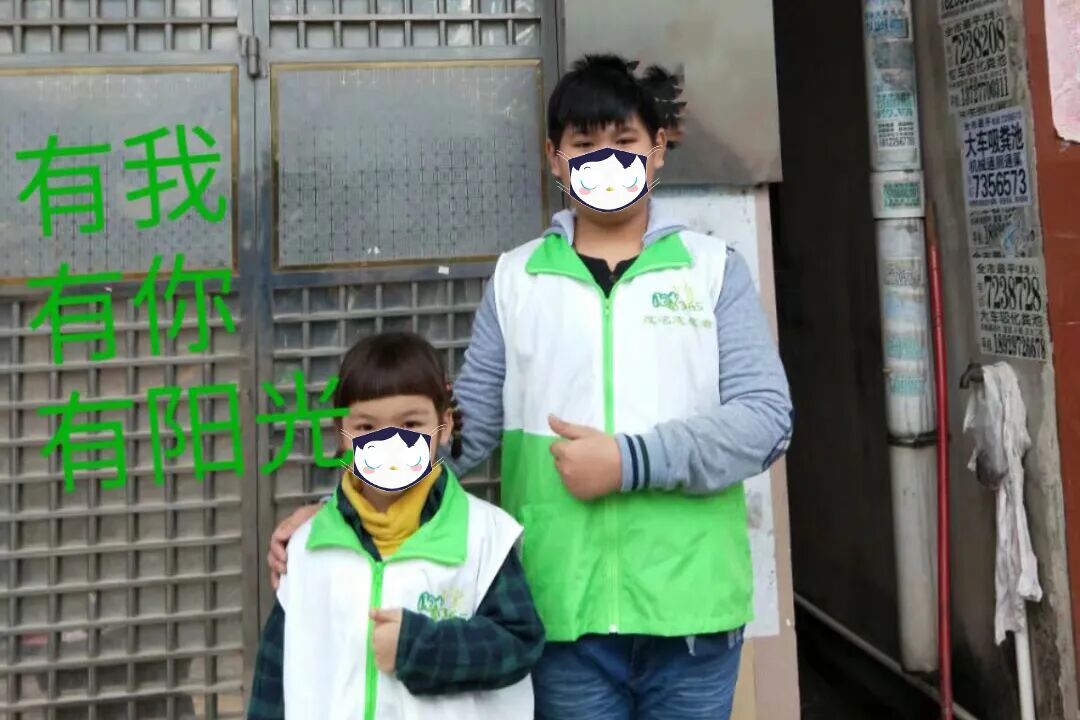
When Juan Juan was eight years old, Chen Hong began to take her and her brother to the nursing home. There, they trimmed hair and cleaned rooms for the elderly. They also paid loving visits to left-behind children.
"The children in the welfare institution are so pitiful, luckily I have my mama," said Juan Juan when she was 13 years old.
"Do you remember where you came from?" asked Chen.
"I know I am not your biological child," said Juan Juan.
"In the future, you should go back to see them when you can," said the mama.
Juan Juan agreed.
5. When I grow up, I will support you.
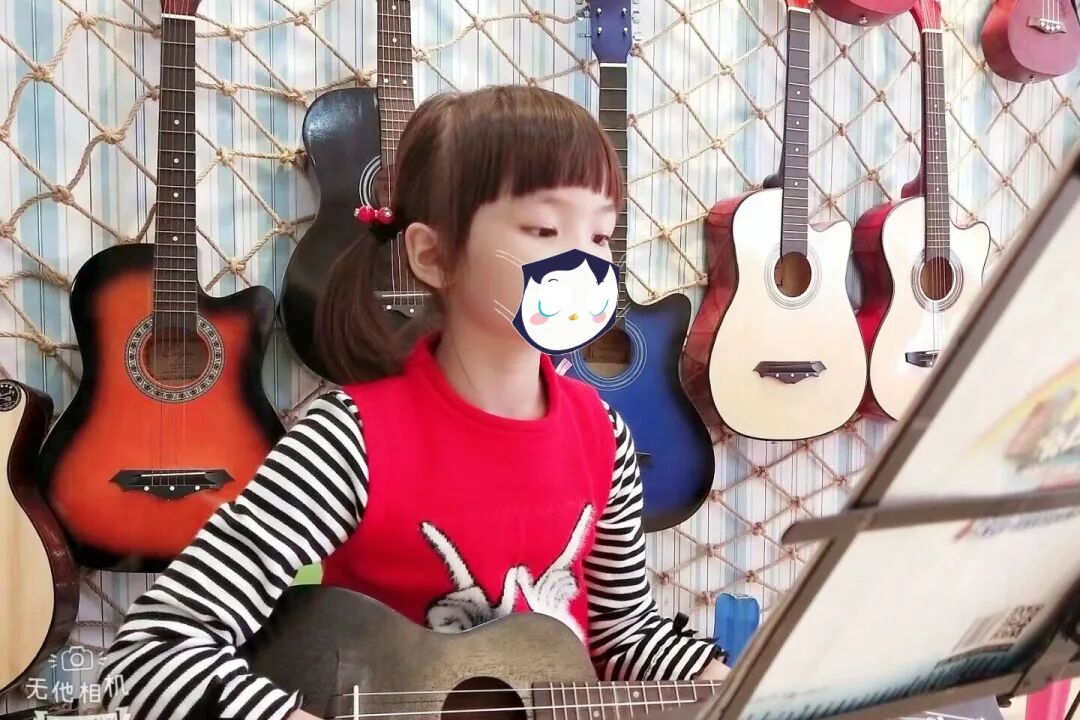
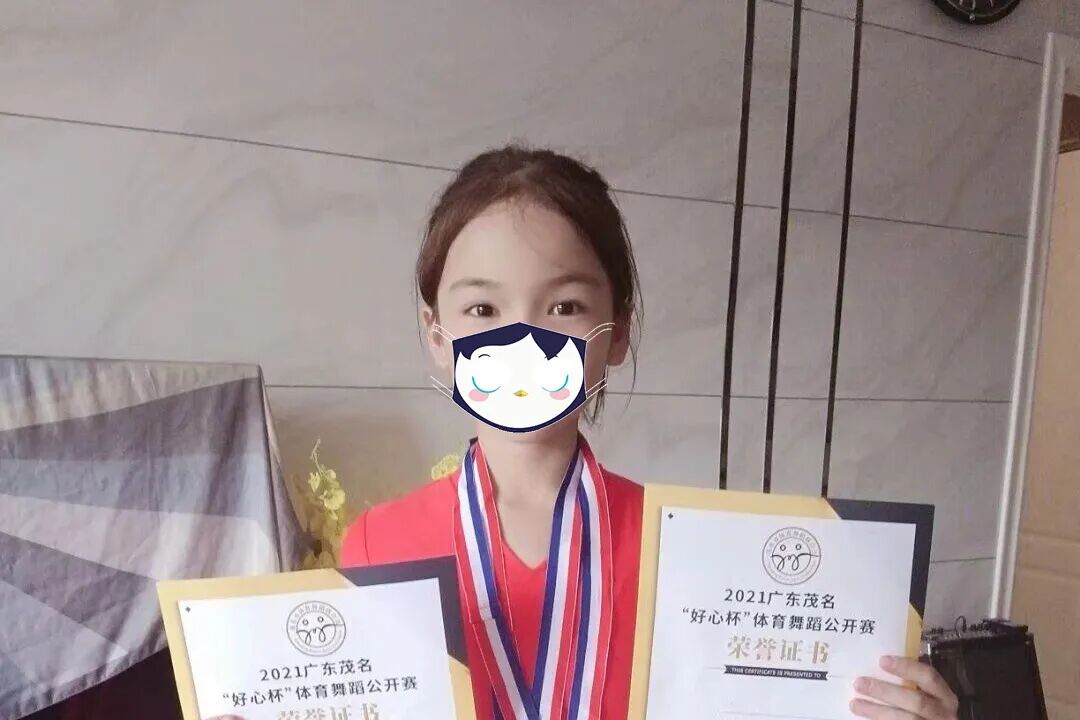
Now Juan Juan is 16 years old and is in the third year of junior high school.
She can cook, do laundry, and handles household chores very well. Every day she gets up and cleans the floor first.
She has been learning Latin dance for eleven years and guitar for three years. She also attended public speaking classes, traditional culture classes and etiquette classes.
Juan Juan has three plans.
The first one: getting into a senior high school, then a university, and become a teacher.
The second one: if she fails to enroll in a senior high, she will take Latin dance exams to the 12th level and become a dance teacher.
The third one: joining the army. She said she wants to serve as a soldier specialized in art and cultural performances.
"Mama, don't work so hard. When I grow up, I will take care of you," she said to mama Chen one day.
6. "Little Lucky Star"
"Juan Juan is a lucky star. Not long after she came to our home, we bought a new apartment. Then we built another house in our hometown," Chen said.
She was smiling when she said this, and we were all laughing.
Perhaps everyone is a "lucky star." A child who was once abandoned, unable to walk or speak, ready to cover her head when she saw people, chose a home for herself by holding onto the door frame. Then in that home she learned what "yours" and "mine" meant. In eleven years, she grew into a girl who can cook, mop the floor and say she wants to take care of her mama.
"This is fate. Whoever raises the girl will make her thrive," said mama Chen.
As time goes by, memories may fade, but the door frame will always record the determination of a four-year-old girl who had been diagnosed with autism but on that day expressed her strong wish: I want to stay in this home.
"The wild grass grows among the hemp, standing straight without support," said the ancient Chinese philosopher Xunzi.
Mama Chen did not "support" Juan Juan on purpose. She simply resettled her in a bright, nurturing and and loving place.
Then she watched her stand up straight.